

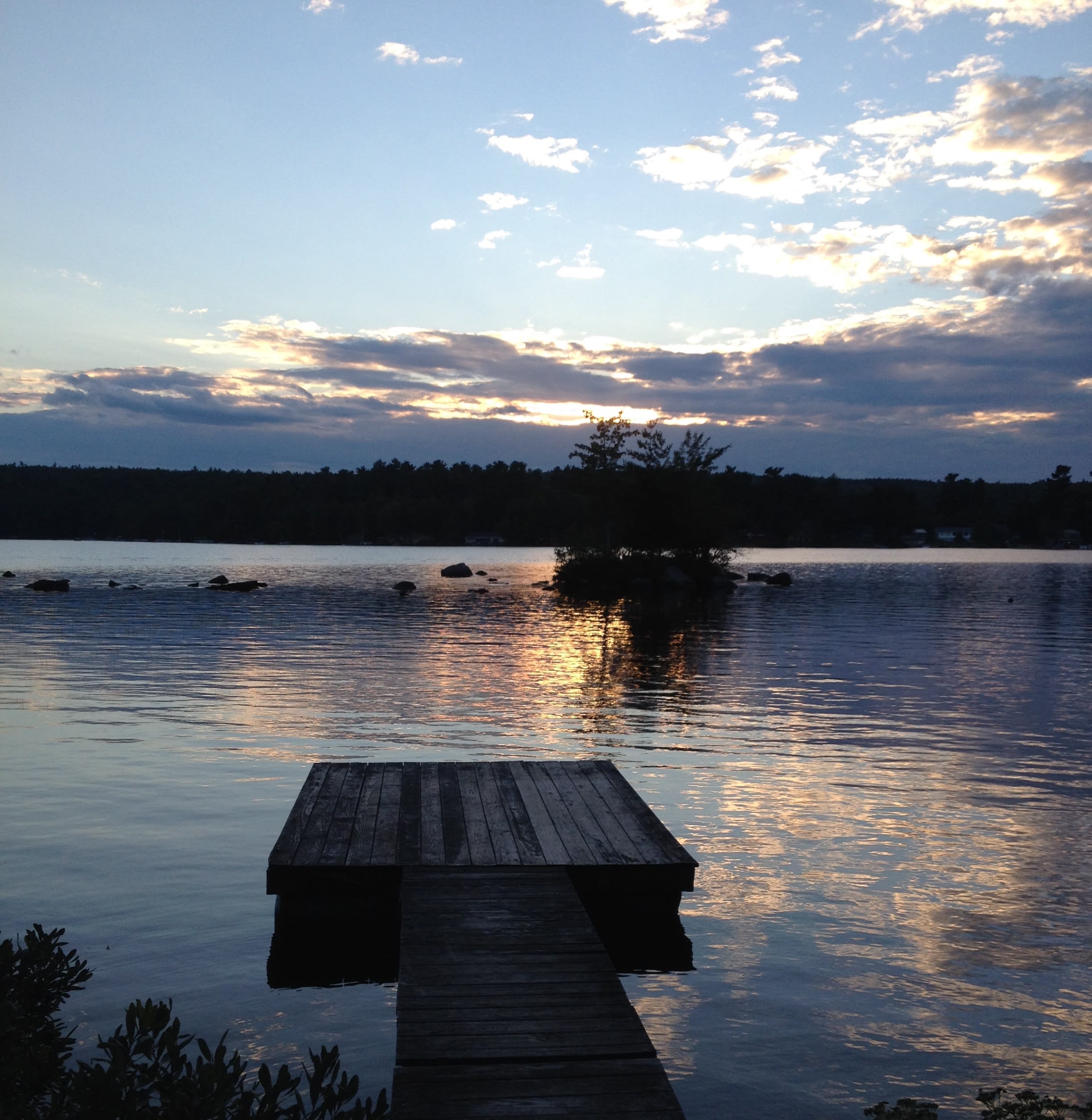

There is something special about owning a camp in Maine. Maybe your idea of a perfect weekend is listening to loons from the porch of a lakefront camp, sitting around a wood stove after a day in the woods, or simply having a quiet place where the phone doesn't ring and life slows down for a while.
But buying a Maine camp can be very different from buying a typical year-round home.
Some camps have full foundations, drilled wells, septic systems, electricity and year-round road access. Others may have a seasonal road, lake-drawn water, an outhouse, a generator and little or no insulation. Two properties that both appear in a real estate search as a "camp" can be completely different.
Before buying a camp in Maine, it is important to understand not only the building itself, but also the road, water supply, septic system, utilities, financing, insurance, waterfront restrictions and how you actually plan to use the property.
What Exactly Is a "Camp" in Maine?
In Maine, the word "camp" can describe almost anything from a rustic one-room hunting cabin in the woods to a fully equipped waterfront property that can comfortably be occupied year-round.
That's why I encourage buyers not to focus too much on the label. Instead, look at what the property actually has.
- Can you access it throughout the year?
- Does it have electricity?
- What is the water source?
- What type of septic or wastewater system does it have?
- Is it insulated?
- How is it heated?
- Can it be insured?
- Can it qualify for the type of financing you plan to use?
The answers to those questions can have a much bigger effect on how you can use the property than whether the listing calls it a camp, cottage or cabin.
Seasonal vs. Year-Round Camps in Maine
One of the first things to determine is whether the camp is truly suitable for year-round use.
A seasonal camp may have limited insulation, a water system that has to be drained before freezing weather, seasonal road access or a heating system designed mainly for occasional use. Some camps have plumbing during the warmer months but must be winterized each fall.
A year-round property generally has systems that can function throughout a Maine winter, but don't assume that simply because someone has stayed there in January it automatically meets every requirement for year-round occupancy, financing or insurance.
If your goal is eventually to live at the camp full-time, tell your real estate agent, lender and insurance agent that before you buy. A wonderful three-season getaway and a practical year-round residence are not necessarily the same property.
Can You Finance a Camp in Maine?
Sometimes yes—but financing a camp can be different from financing a conventional year-round home.
A lender may look at the property's condition, utilities, water and wastewater systems, foundation, road access, intended occupancy and overall marketability. A rustic seasonal camp that doesn't meet conventional lending requirements may require a different financing approach than a year-round home.
Depending on the property and buyer, possibilities may include conventional financing, a portfolio loan through a local bank or credit union, land financing, construction financing, seller financing or cash.
One of the biggest mistakes a camp buyer can make is falling in love with the property first and figuring out the financing afterward.
If you're planning to finance your purchase, it is worth talking with a lender who understands Maine camps, seasonal properties and rural real estate before you begin making offers.
Road Access: Public, Private and Seasonal Roads
The road leading to a camp deserves almost as much attention as the camp itself.
Many Maine camps are located on private or seasonal roads. Before buying, find out who owns the road, who maintains it, whether there is a road association, what the annual maintenance costs are and whether you have a clearly documented legal right to use it.
Questions worth asking include:
- Who plows the road in winter, if anyone?
- Who grades it and repairs washouts?
- Are there annual road association dues?
- Are owners occasionally assessed for major repairs?
- Is there a recorded right-of-way to the property?
- Can emergency vehicles reasonably reach the camp?
- Can a propane truck, septic truck or construction vehicle get there?
- Is the road passable during spring mud season?
A road that is easy to drive in July can be a very different road in February—or during mud season in April.
Water at a Maine Camp: Wells, Seasonal Systems and Lake Water
Don't assume that turning on a faucet means the camp has a conventional well.
Maine camps may get water from a drilled well, dug well, spring, lake or pond, or from a seasonal system that is shut down and drained before winter. Some very rustic camps may have no pressurized water system at all.
Ask where the water comes from, whether it is intended for drinking, whether it has been tested, how the system is winterized and whether there have been problems with supply or freezing.
If the camp uses lake or pond water, understand exactly how that system works and what the water is used for. Drinking-water quality should never be assumed simply because the water looks clean.
Septic Systems, Holding Tanks and Outhouses
Wastewater systems can also vary considerably from one camp to another.
A property might have a conventional septic system, an older system with limited documentation, a holding tank, a primitive system or an outhouse/privy. What exists—and whether it is adequate for your intended use—can matter enormously if you hope to renovate, add bedrooms or convert a seasonal property to more intensive use.
Ask what system serves the property, approximately when it was installed, whether there is documentation available and what maintenance has been performed.
If there is any uncertainty, additional evaluation may be worthwhile before purchasing.
Electricity, Generators and Off-Grid Camps
Some of my favorite Maine camps are nowhere near a utility pole—and for some buyers that's part of the appeal.
An off-grid camp may use solar panels, batteries, a generator, propane appliances or some combination of these. But living off-grid is much easier when you understand the system before you own it.
Consider how you will handle refrigeration, lights, water pumps, internet equipment, charging devices and any other electrical needs. If you're thinking about bringing utility power to the property later, investigate the feasibility and cost before assuming it will be simple or inexpensive.
Heating and Winterizing a Maine Camp
Wood stoves are common in Maine camps, but you may also encounter propane heaters, direct-vent heaters, pellet stoves, heat pumps, electric heat or conventional furnaces and boilers.
If you plan to use the camp during the winter, pay attention to more than just whether the building has a heat source.
Look at insulation, windows, plumbing locations, water lines, crawlspaces and the ability to keep vulnerable systems from freezing.
A camp that is comfortable on a cool October evening may be a completely different experience when it is 10 below zero in January.
Buying a Waterfront Camp in Maine
For many buyers, the dream is a camp directly on a Maine lake, pond or river. Waterfront can be wonderful—but it adds another layer of due diligence.
Things I encourage buyers to investigate include:
- Actual water frontage and property boundaries
- Water depth and swimming conditions
- Boat access and dock possibilities
- Flood risk
- Erosion and drainage
- Shoreland zoning restrictions
- Existing structures located close to the water
- Whether additions or major alterations may be restricted
- Water quality and invasive aquatic plant concerns
Never assume that because an existing camp sits close to the water you could tear it down and build whatever you want in the same location.
Older camps sometimes exist in locations or configurations that would not be permitted for new construction today. Before buying with plans for a major addition, replacement structure or substantial renovation, check with the municipality's Code Enforcement Officer and other appropriate authorities.
Shoreland Zoning Can Affect What You Can Do With a Camp
Maine regulates development around many lakes, ponds, rivers, streams and wetlands through shoreland zoning. Local municipalities administer shoreland zoning ordinances, and the rules can affect building setbacks, expansions, vegetation clearing and other changes to waterfront property.
This becomes especially important when buying an older camp that is closer to the water than current standards would normally allow.
If your plans include expanding the building, adding a deck, removing significant vegetation, rebuilding, moving structures or changing the use of the property, investigate what is actually permitted before purchasing.
Your local Code Enforcement Officer is often one of the most valuable phone calls you can make when evaluating a waterfront property.
What About Flood Zones and Flood Insurance?
Being on the water does not automatically mean a camp is in a high-risk flood zone, but flood risk should be investigated.
Standard homeowners insurance generally does not cover flood damage. Depending on the property's flood-zone designation and the type of financing being used, separate flood insurance may be required.
Before buying, determine the property's flood-zone status and talk with your lender and insurance professional about any requirements and costs.
Camp Insurance Can Be Different Too
Insurance is another item I recommend investigating early rather than waiting until just before closing.
Seasonal occupancy, distance from a fire department, wood-burning appliances, older wiring, an unusual water source, lack of year-round road access and the condition of the structure can all affect insurance availability or cost.
Before making assumptions, give an insurance agent the actual details of the property and how you intend to use it.
Cell Service and Internet Matter More Than You Might Think
Some buyers want to disappear completely when they go to camp. Others need to work remotely on Monday morning.
Don't rely entirely on a coverage map. Check your actual phone at the property if possible.
If internet access matters, investigate what is really available at that address. Depending on the location, options might include cable or fiber, DSL, fixed wireless, cellular service or satellite internet.
If reliable connectivity is essential for work, security cameras or other systems, verify it before closing.
What Should You Inspect Before Buying a Maine Camp?
A camp inspection deserves the same attention as a home inspection—and sometimes more because camps can have unconventional systems. If you'd like a deeper look at the inspection process, read my Home Inspections in Maine: A Buyer & Seller's Guide.
Depending on the property, buyers may want to investigate:
- Foundation, piers and structural supports
- Roof and exterior condition
- Electrical system
- Plumbing and water system
- Heating equipment and wood-burning appliances
- Septic or wastewater system
- Water quality
- Moisture, rot and drainage
- Road and driveway condition
- Shoreline conditions
- Any docks, decks, sheds or accessory structures
A rustic camp doesn't have to be perfect. The goal is to understand what you're buying and what may require money or attention after closing.
Buying Land and Building Your Own Camp in Maine
Buying land and building can be a great way to get the location, privacy and layout you want, but vacant land has its own set of questions.
Before buying land with the intention of building a camp, investigate:
- Legal access
- Road construction or improvement costs
- Soils and septic suitability
- Well or water options
- Power availability and cost
- Local zoning and building requirements
- Shoreland zoning if near water
- Wetlands or other environmental restrictions
- Driveway permitting
- Site preparation and foundation costs
- Construction financing
A beautiful $50,000 parcel isn't necessarily inexpensive if it requires another $75,000 or more in road work, site preparation, utilities, well and septic before construction even begins.
Do your homework on the site before you buy the land—not afterward.
Questions to Ask Before Making an Offer on a Maine Camp
Every property is different, but this is a good starting checklist:
- Is the camp seasonal or suitable for year-round use?
- Is the road public, private or seasonal?
- Who maintains and plows the road?
- Is legal access documented?
- Where does the water come from?
- What wastewater or septic system is used?
- How is the camp heated?
- How is electricity supplied?
- What needs to be winterized?
- Can the property qualify for my intended financing?
- Can I obtain appropriate insurance?
- Is any part of the property in a mapped flood zone?
- Are there shoreland zoning restrictions?
- Can I expand or renovate the camp the way I intend?
- Is internet or cell service important to me, and does it actually work there?
- What personal property is included with the sale?
How Much Does a Camp in Maine Cost?
There really isn't one useful statewide answer.
A remote off-grid hunting camp on leased or rural land is a completely different market from a year-round lakefront property with a drilled well, septic system and several hundred feet of waterfront.
Location, water frontage, acreage, road access, utilities, condition and year-round usability can all have a major effect on value.
That's one reason I prefer to start with how you want to use the camp rather than simply asking for your maximum price. Once I understand what you're looking for, we can narrow the search to properties that actually fit your plans.
Search Maine Camps for Sale
If you're ready to start looking, you can browse current camp, recreational and rural property listings through Maine Homes and Camps.
Search Maine Homes and Camps for Sale →
Thinking About Buying a Camp in Maine? Let's Talk.
Maine camps are some of the most interesting properties I get to work with because no two are quite alike.
I've spent years working in Maine real estate and previously worked in the mortgage industry, so I understand that camps, rural properties, waterfront homes and vacant land don't always fit neatly into the same box as a typical suburban house.
If you're thinking about buying a camp—whether it's a simple hunting cabin, an off-grid getaway, acreage in the woods or a waterfront place where you can listen to the loons—I'd be happy to help you sort through the options.
Have questions about buying a camp in Maine? Use the contact form on this page and tell me what you're looking for.
Information on zoning, financing, insurance, permitting and property systems can vary by property and municipality. Buyers should confirm requirements with the appropriate lender, insurer, municipality, Code Enforcement Officer and other qualified professionals as applicable.